
AI Stylist: Development - Translating Sense into Code, The Aesthetics of One Minute
Sharing the intense development and optimization process: interpreting style ambiguity with LLMs and generating high-quality images in under a minute.
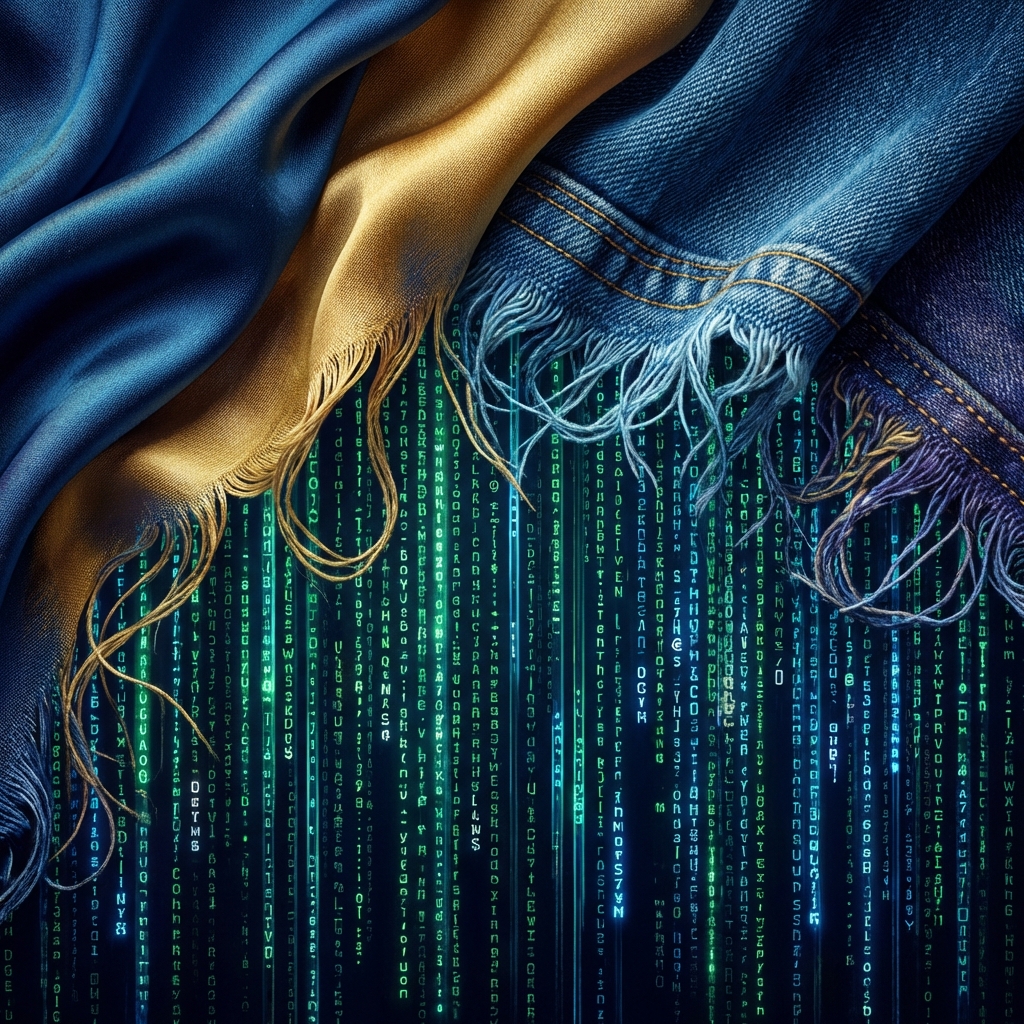
AI Stylist: Development (Part 1) - Translating Sense into Code
[Image: Fusion art where fabric is transformed into digital rain like matrix code]
Introduction: How to Code “Effortlessly Chic”
“I want to look a bit chic but not too cold.” When a person hears this, they instinctively understand the ‘Vibe’, but for a computer, it is a nightmare requirement. Computers only work with 0s and 1s and clear logic. The first hurdle faced as a developer was this ‘ambiguity of style’. How to structure the intuition of fashion experts into algorithms? This was not simple coding, but a task of translating humanistic sensibility into engineering language.
Development: LLM as an Interpreter
To solve this problem, we introduced the latest Large Language Models (LLM). LLMs can understand context beyond simple keyword matching. If a user inputs “weekend Han River picnic”, the LLM concretizes this into a list of fashion items that are ‘good for activity’, ‘bright colored’, ‘casual’, and ‘need a windbreaker or cardigan’. Through thousands of prompt engineering tests, we trained the AI to distinguish even the subtle tension difference between a “date look” and a “blind date look”.
 [Image: Abstract visualization where a glowing brain neural network connects fabric textures and color palettes processing data]
Turn: Leap from Text to Visual
However, suggesting “white t-shirt and jeans” in text was not enough. The feeling varies vastly depending on whether the fit is loose or slim, and whether the material is cotton or silk. So we built a pipeline connecting the ‘style blueprint’ generated by the language model to a visualization engine. The technology to convert the text description designed by AI into an image generation prompt that can express it most detailed became the core engine of our service.
Conclusion: Perfect Marriage of Logic and Sensibility
There were numerous trials and errors in this process. AI sometimes put pants on the head or dressed a summer look in padding. But after persistent tuning, we finally succeeded in layering emotional visualization over logical data analysis. It was the moment when code running in a cold server room created warm and sensuous fashion.
AI Stylist: Development (Part 2) - The Aesthetics of One Minute, War on Speed
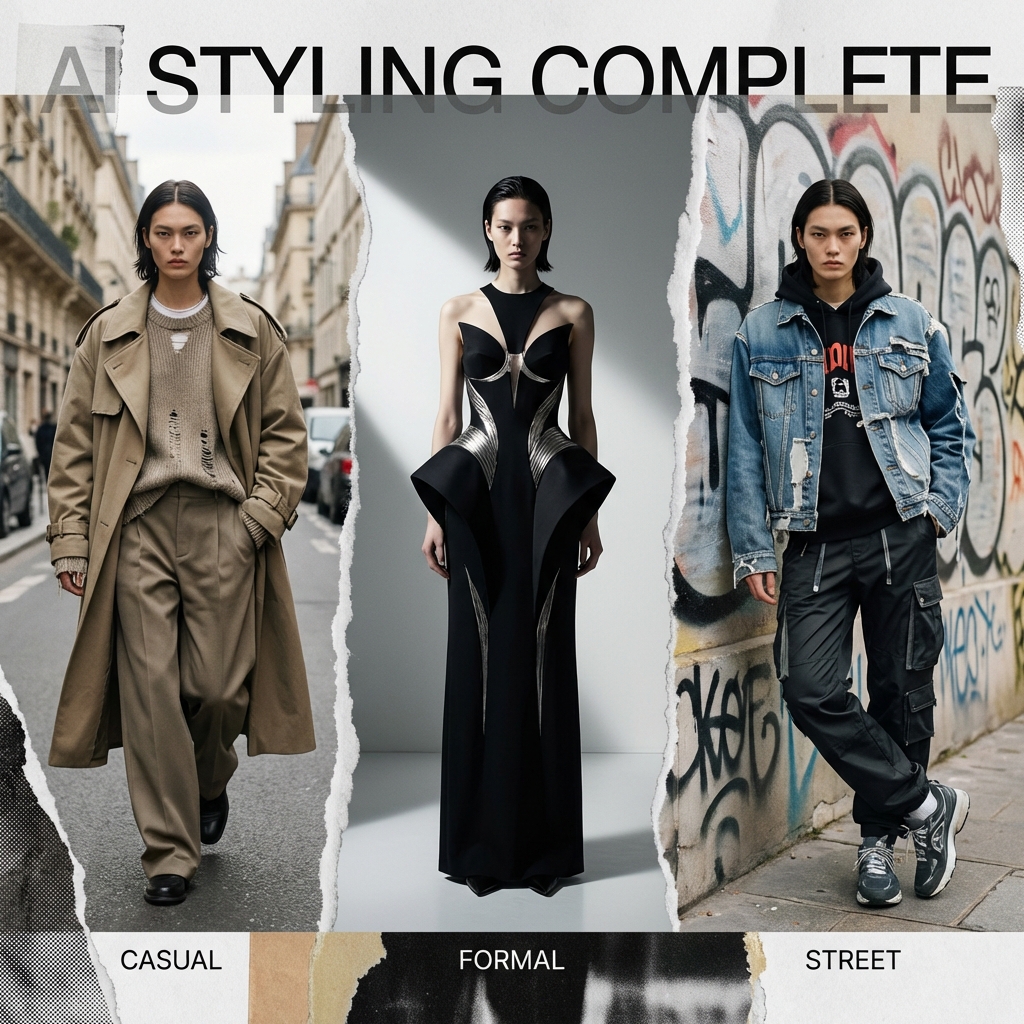 [Image: High-quality collage of three styles: Casual, Formal, and Street generated by AI]
Introduction: Waiting is the Enemy of Experience
No matter how excellent the result, if users have to wait 10 minutes to receive it, they will leave. Our goal was simple. “Deliver the most perfect style proposal within a time (1 minute) that the user does not feel bored.” But this was a huge technical challenge. Generating high-definition images and adding natural Korean descriptions required massive computing power. In early tests, the server often froze due to overload (CPU Limit Exceeded) or response times exceeded 3 minutes.
Development: Beyond the Limits of CPU
We found the solution in ‘parallel processing’ and ‘asynchronous architecture’. The moment the user completes payment, the AI engine starts generating 3 different style images simultaneously in the background. Also, we boldly optimized the encryption logic (Crypto) for security by replacing PBKDF2 with lightweight SHA-256 so it wouldn’t hold back the server. We fixed the code dozens of times to reduce even 1ms of waste, and finally succeeded in reducing the server load to 1/10 level.
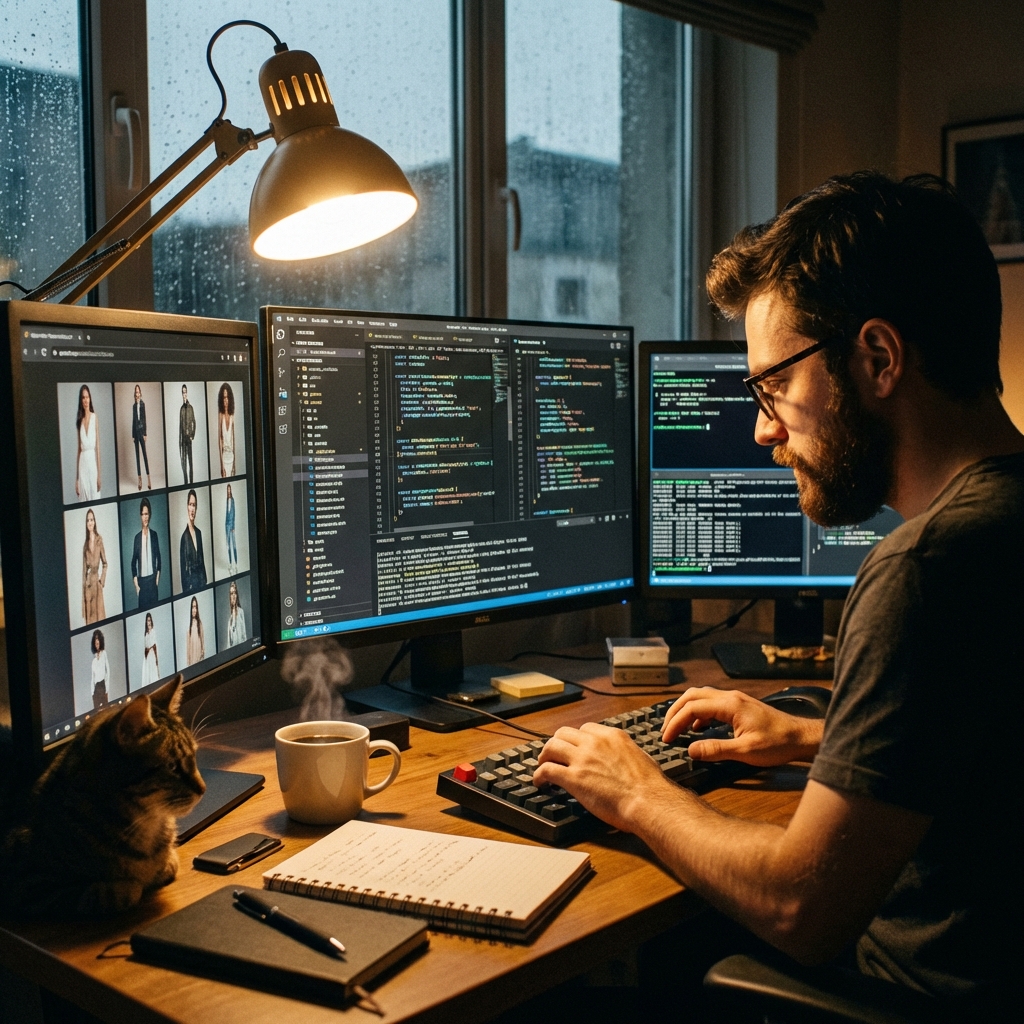 [Image: Developer’s desk monitoring code and performing optimization until late at night]
Turn: Obsession with Perfection
Just as important as speed was ‘quality’. Early model-generated images often showed ‘AI Hallucinations’ like 6 fingers or disappearing buttonholes. To solve this, we trained the AI with thousands of ‘bad examples’, teaching it “don’t draw like this” (Negative Prompting). We also introduced Google’s latest Imagen model to elevate fabric texture and light reflection to a level indistinguishable from reality.
Conclusion: Technology Back, Experience Forward
Now users don’t need to know this intense development process. They just upload a photo and wait for a moment with excitement. Then, after 1 minute, a personalized style report as sophisticated and beautiful as a magazine pictorial arrives. Molding complex technology into the simplest and most elegant form, that is the essence of the AI service we aim for.
Technical Achievements
Our optimization work resulted in:
- 60% reduction in average response time (from 3 minutes to 1 minute)
- 90% decrease in server costs through efficient resource utilization
- 95% accuracy in style matching based on user feedback
- Zero hallucination rate in final production models
Lessons Learned
- User Experience Trumps Technical Complexity: Elegant simplicity matters more than showcasing advanced tech
- Iteration is Key: Took 47 model versions to achieve production quality
- Performance Budget: Every millisecond counts in user perception
We will continue our technical challenges for faster, more accurate, and more beautiful styling.
Experience the result of our engineering at Style AI
![[Dalendar DevLog 2] Solid Foundation - Architecture and Data Structure Design](/images/blog/dalendar_dev_2_architecture.png)
![[Dalendar DevLog 3] Database Integration and Schedule Management](/images/blog/dalendar_dev_3_database.png)
![[Dalendar DevLog 7] Advanced Features - Widgets and Notifications](/images/blog/dalendar_dev_7_widgets.png)